A special project created with the support of the Jewish news portal · We sincerely love Azerbaijan — our Homeland, its people, culture, history and unique diversity.
The Passage
RUAZENHE
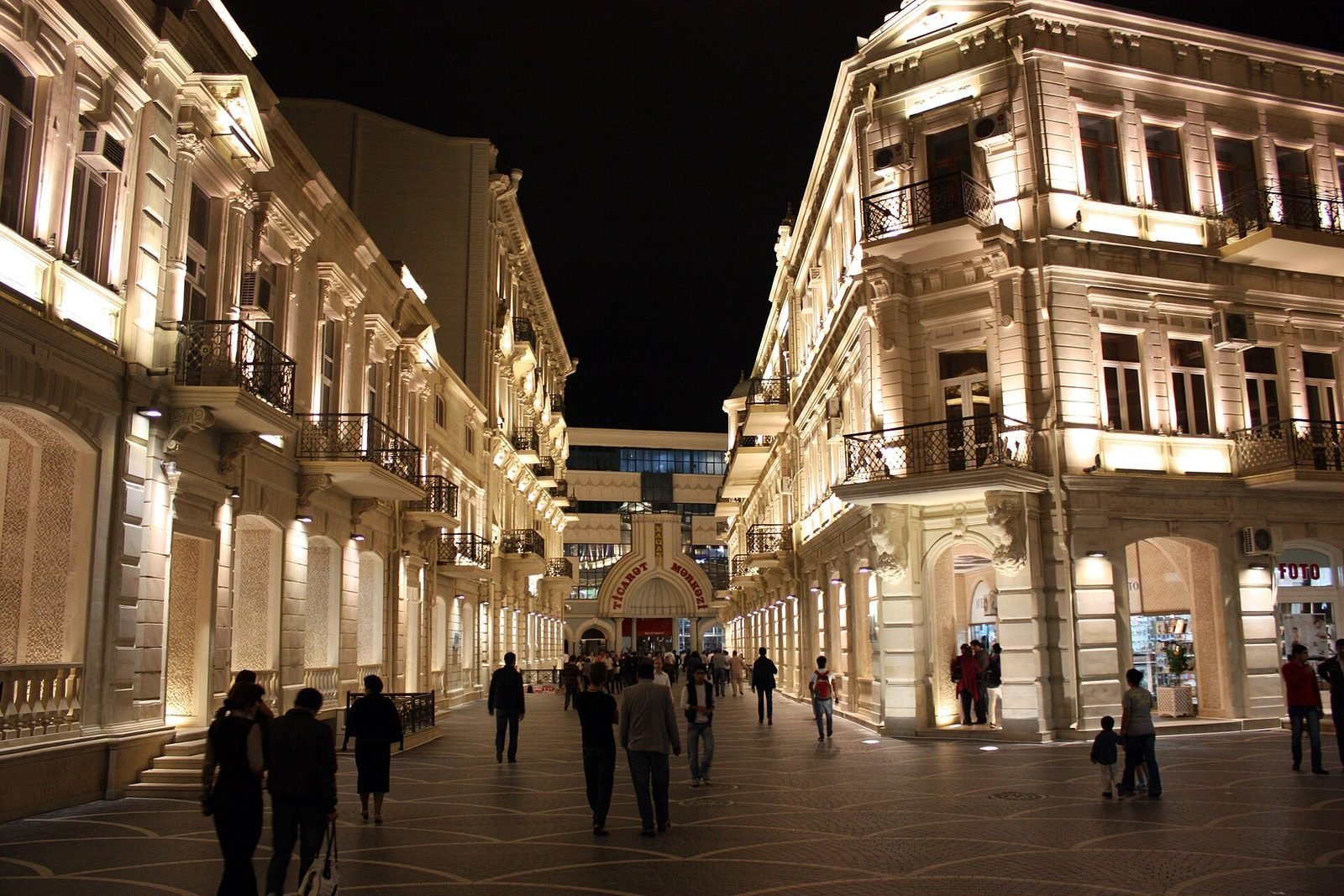
Пассаж в Баку вечером
Baku · the city centreThe oil-boom era

The PassageA shopping arcade of oil-boom Baku — a pedestrian street between two palaces

A historic shopping arcade in the very heart of Baku: two eclectic buildings with a pedestrian street flowing between them, lined with arches, shop windows and evening lights.

Scroll

The Passage

A covered street born of Baku's oil wealth.

The Passage is a historic shopping arcade in central Baku, near Fountains Square. It is an elegant ensemble of eclectic buildings, with a pedestrian street running between them under arched galleries.

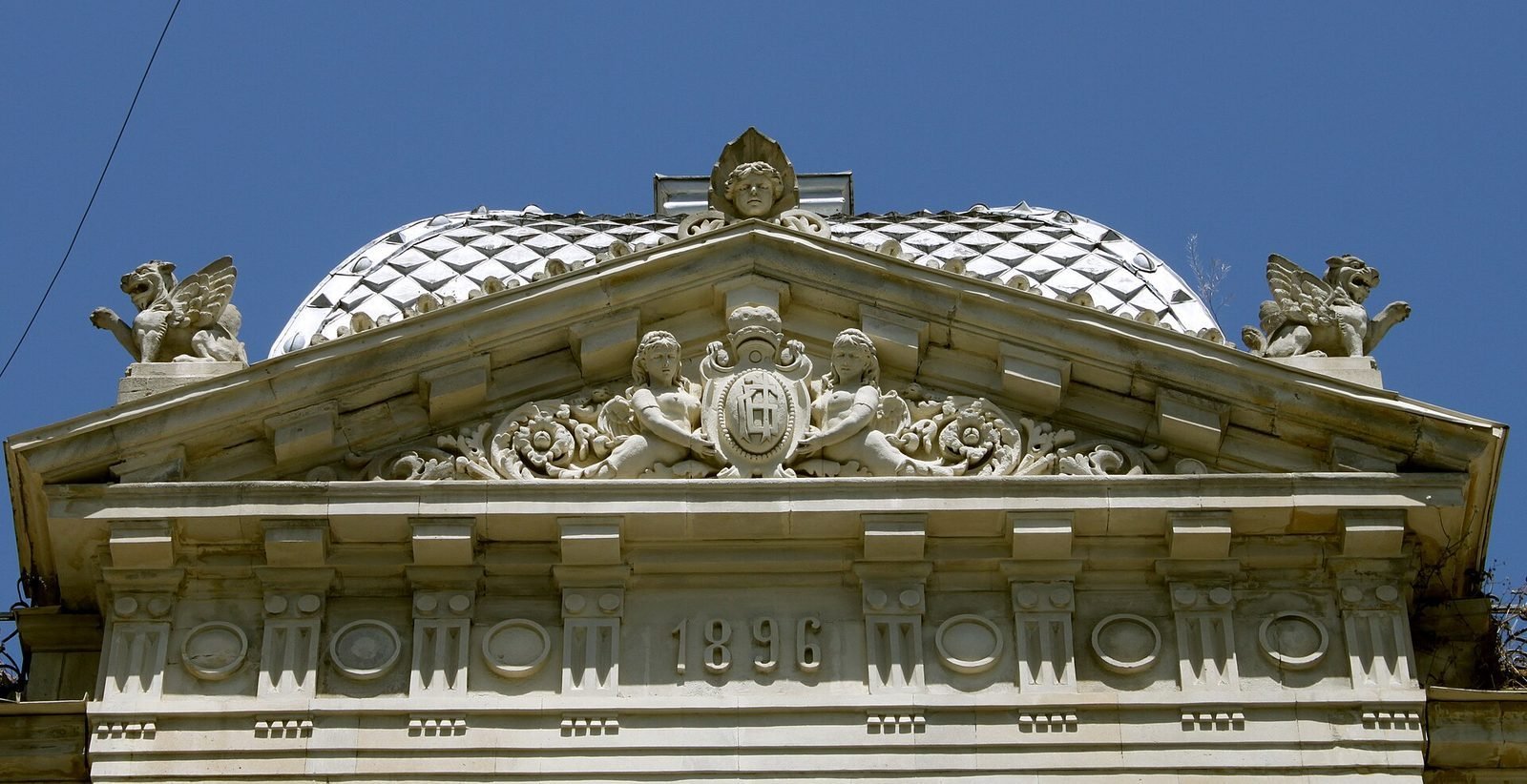
The Passage appeared at the turn of the 19th–20th centuries, in the oil-boom era, when newly rich Baku was being built up with lavish houses in the spirit of European capitals. On the building's pediment one can still read a date — 1896.

A “passage” is the very type of building: a covered or through shopping gallery with shops along both sides. Such passages were fashionable across Europe, and Baku acquired its own.

Today the Passage is part of Baku's pedestrian centre: cafés, shops and unhurried strolls under the evening lights.

In brief

The Passage in a few traits

1896the date on the building's pediment
Oil boomthe era of Baku's oil prosperity
Eclecticthe architectural style of the ensemble
The centreby Fountains Square, in the pedestrian zone

Timeline

The Passage through time

From a quiet seaside town to an elegant shopping arcade — a short timeline.
Before the boom
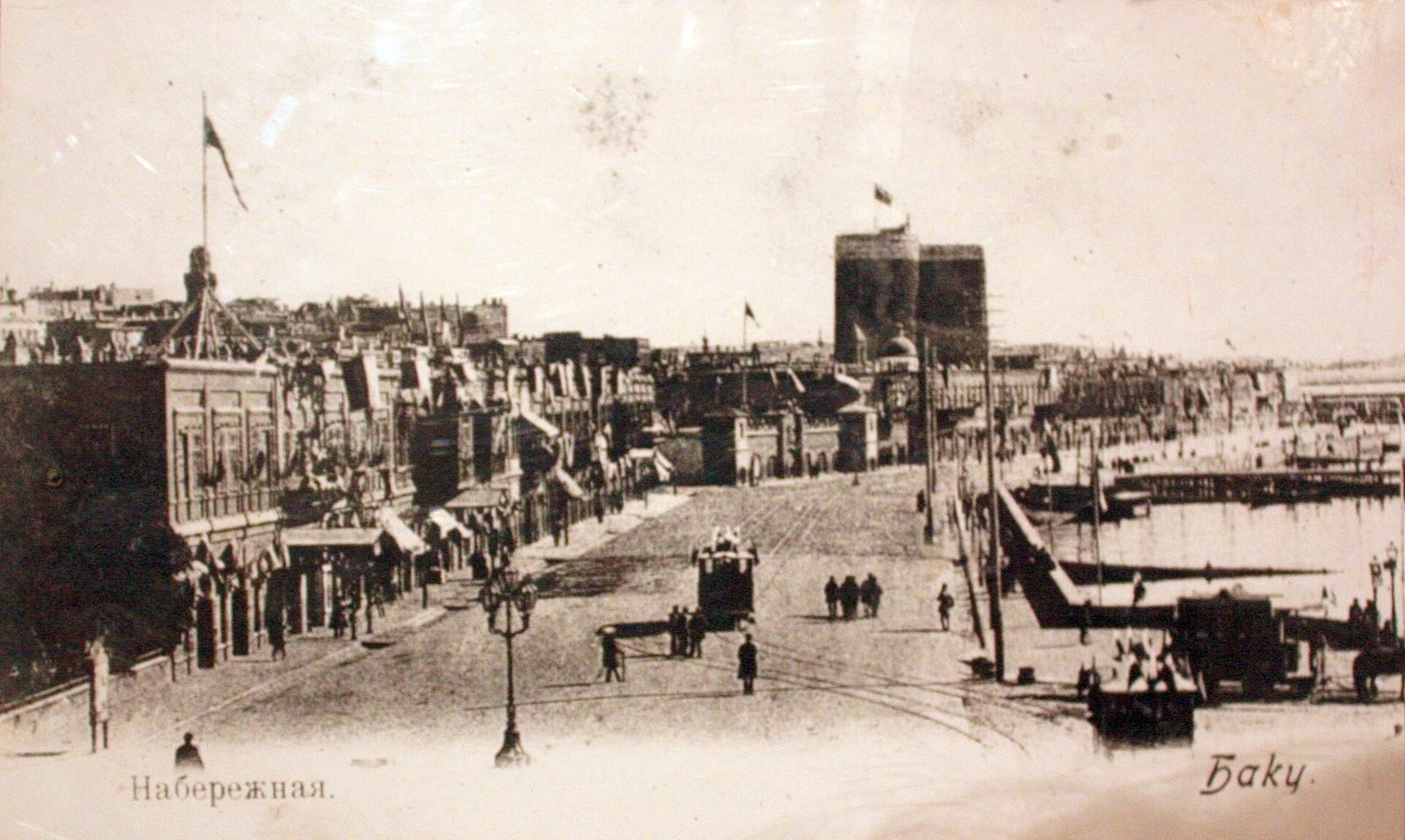
Before the oil boom Baku was a small town by the fortress and the sea, with a quiet embankment and bazaars.
The oil boom
At the turn of the 19th–20th centuries oil brings wealth; the city fills with lavish European-style houses.
1896
The Passage is built — an elegant shopping arcade in the eclectic spirit; the date survives on the pediment.
A shopping passage
Shops and stores open under the arches; the passage becomes a fashionable place for trade and strolling.
Soviet era
The building keeps serving the city; its halls and galleries are filled with shops and offices.
Today
The Passage is part of the centre's pedestrian zone: restored facades, cafés and evening lighting.
Старый Баку, конец XIX векаOld Baku

History

Born of the oil boom

The Passage is a child of “black gold”. At the end of the 19th century oil turned Baku into a wealthy, cosmopolitan city, and merchants built houses and galleries here no worse than European ones.

The shopping passage became a symbol of this new, elegant Baku.
History of the Passage →

Фронтон Пассажа с датой 1896Pediment, 1896

Architecture

Eclecticism and decor

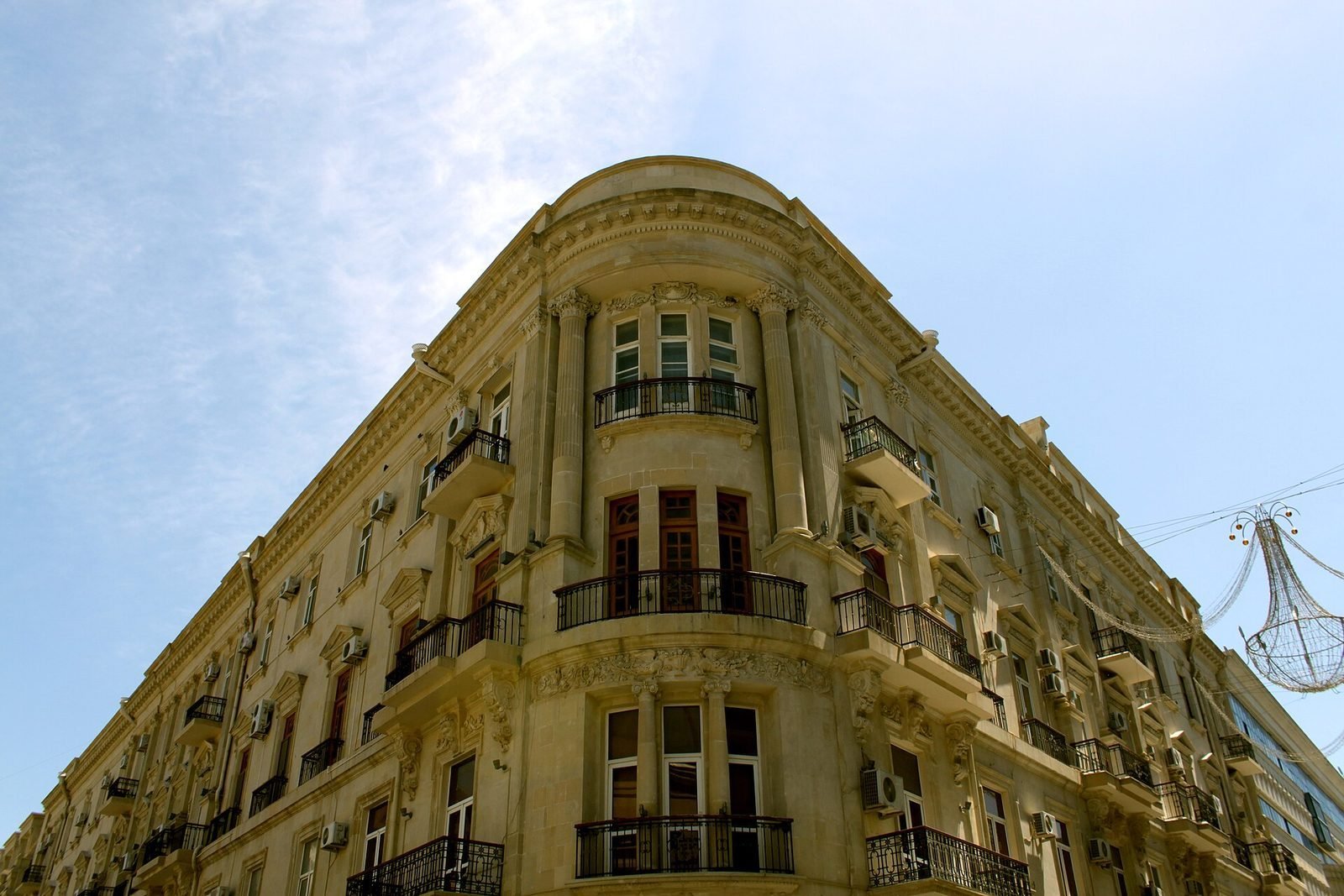
The Passage is built in the eclectic style: arched windows, pilasters, stucco, caryatids and a figured pediment with a date and a coat of arms. Every detail speaks of the owners' taste and wealth.

It is a specimen of Baku's “oil” architecture, in which the motifs of Europe and the East are mixed.
Architecture →

“Oil turned a seaside town into a city of palaces — and the Passage became its shop window.”

The Passage · Oil-boom Baku
Площадь фонтанов в БакуFountains Square

Pedestrian centre

The heart of strolling Baku

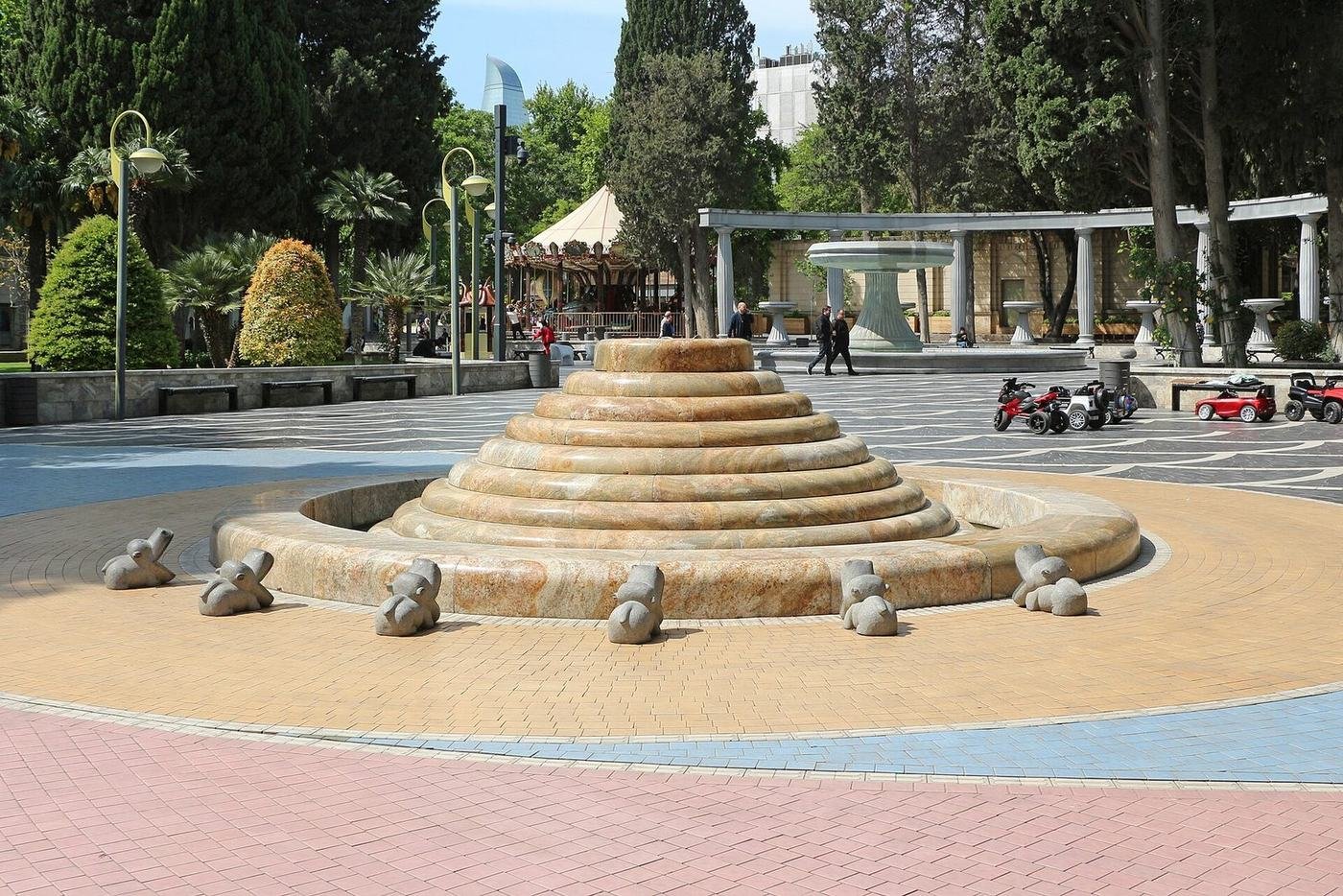
The Passage stands in the very heart of pedestrian Baku — by Fountains Square and the Nizami and Rasulzade streets. It is the city's liveliest promenade zone.

It is a convenient place to begin getting to know the capital's old centre.
Pedestrian centre →

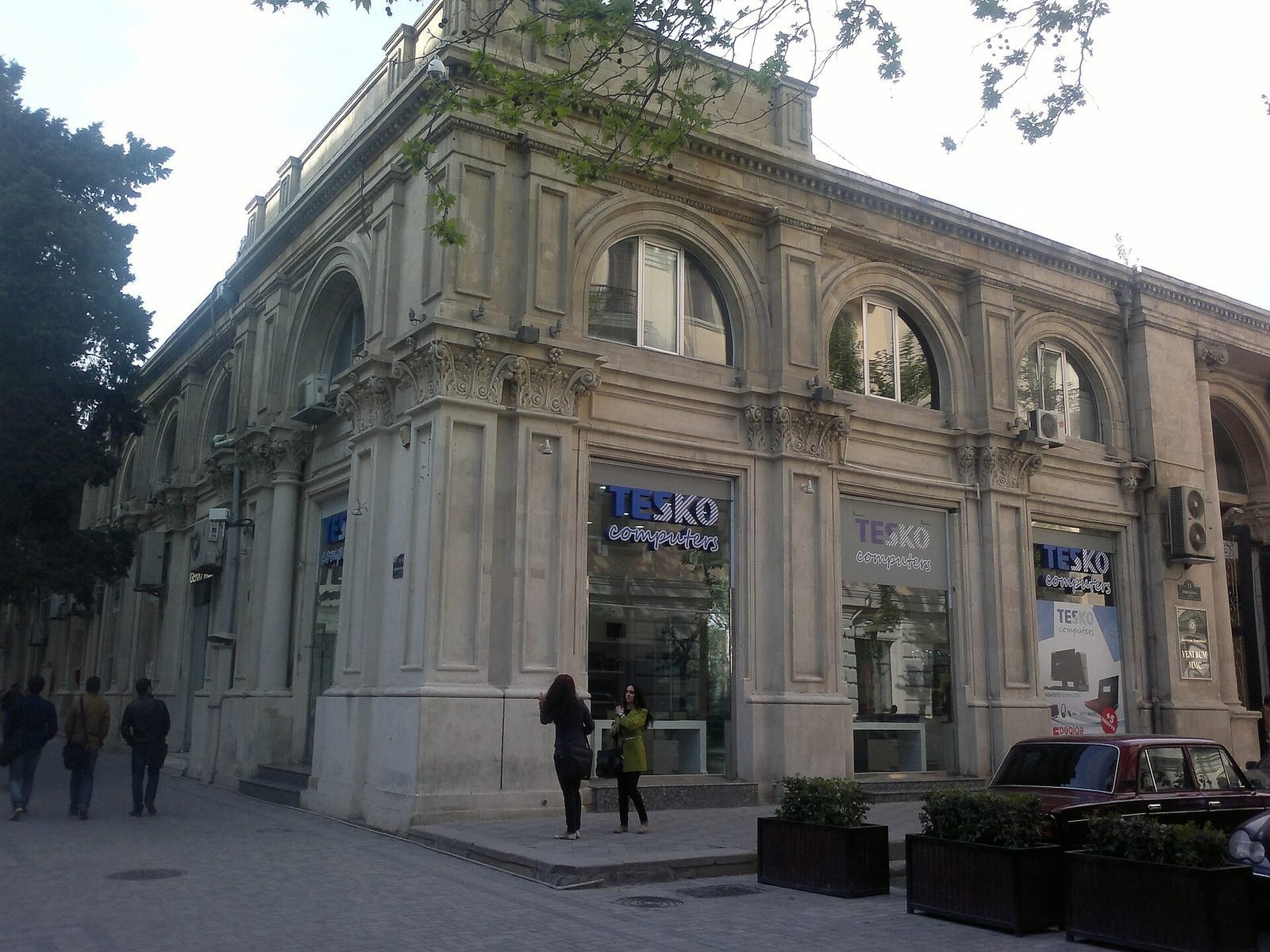
Здание Пассажа сегодняToday

Today

Cafés, windows and lights

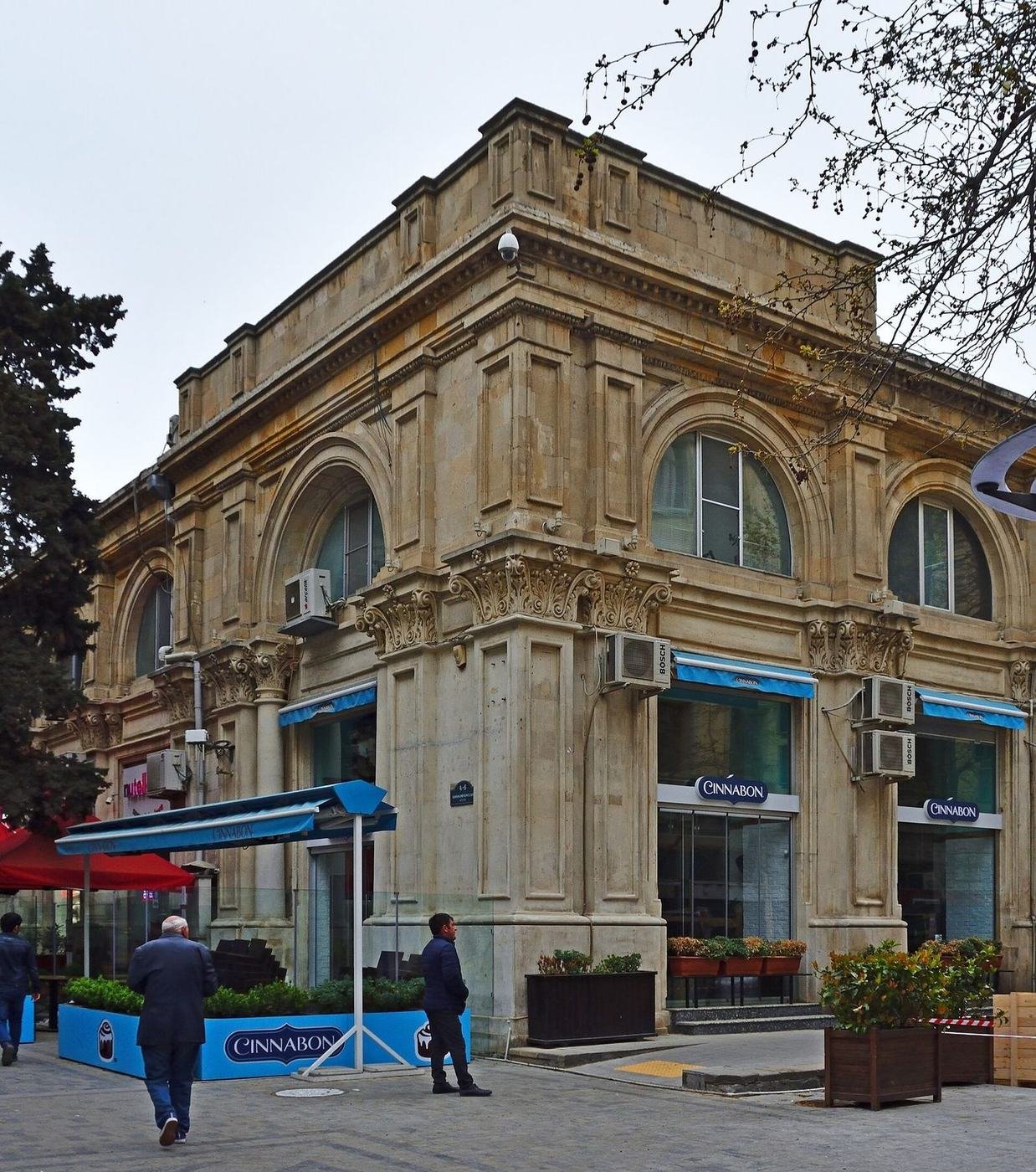
Today shops and cafés work in the Passage, and in the evening its galleries are beautifully lit. It is pleasant to sit at a table here and watch the life of the centre.

The old building keeps doing its job — a place of trade, meetings and unhurried strolls.

The Passage today →

Questions & answers

The Passage in brief

What is the Passage in Baku?
The Passage is a historic shopping arcade in central Baku, an ensemble of eclectic oil-boom-era buildings with a pedestrian street running between them, lined with arches, shops and cafés.
Where is the Passage?
The Passage is located in the very centre of Baku, near Fountains Square, on the pedestrian streets of the city's historic core. It is easy to reach on foot from the centre.
When was the Passage built?
The Passage appeared at the turn of the 19th–20th centuries, in the oil-boom era. A date — 1896 — survives on the pediment of one of the buildings.
What does “passage” mean?
A “passage” is a type of building: a covered or through shopping gallery with shops on both sides of the walkway. Such passages were popular in 19th-century Europe, and Baku built its own.
In what style is the Passage built?
The Passage is built in the eclectic style characteristic of “oil” Baku: arched windows, pilasters, stucco, caryatids and a figured pediment, in which European and Eastern motifs are mixed.
What is in the Passage now?
Today shops and cafés work in the Passage, and its galleries are part of the centre's pedestrian zone. In the evening the facades are beautifully lit — it is a popular place for strolling.