The era
A city grown rich on oil
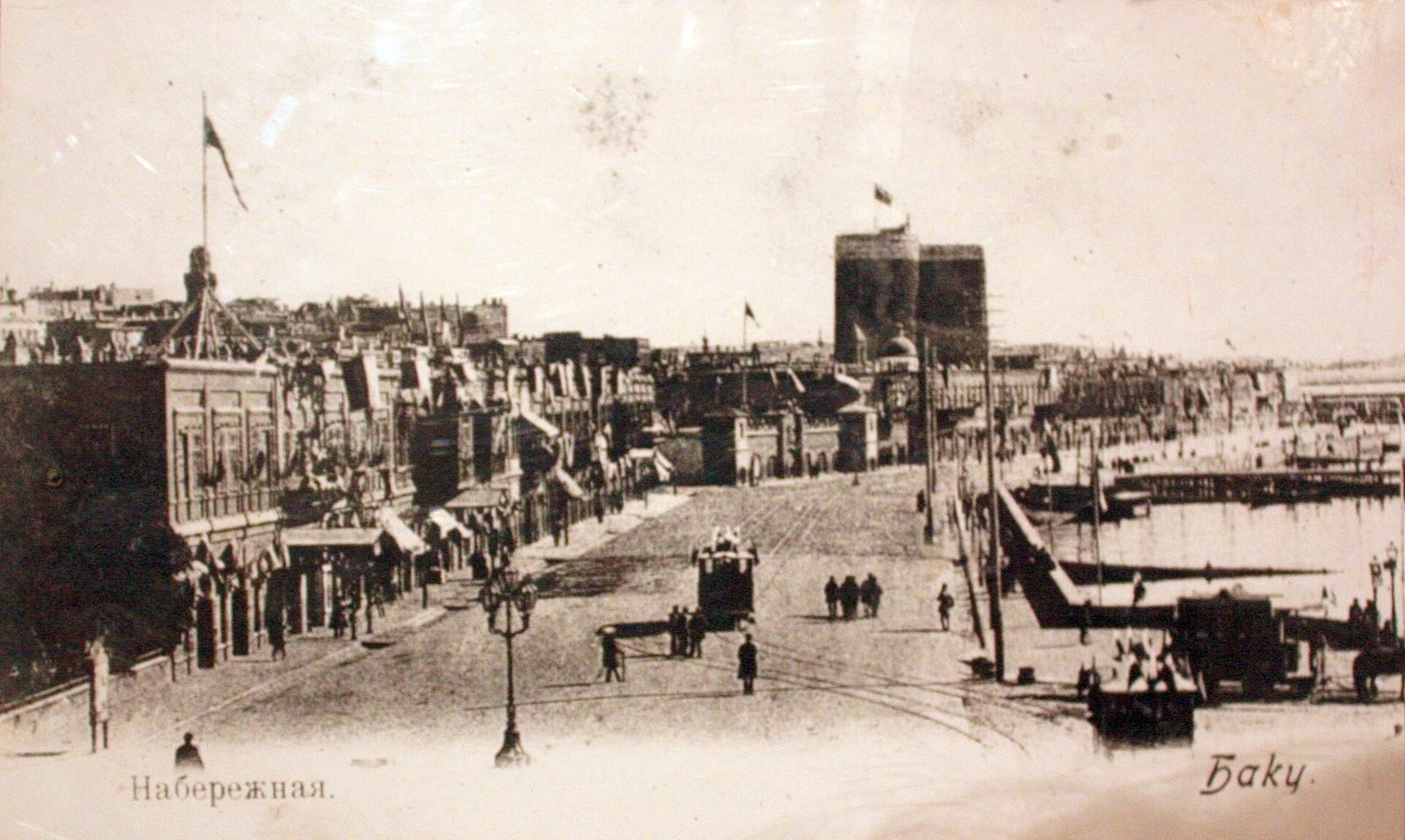
As late as the mid-19th century Baku was a small town by the fortress and the sea. Oil changed everything: by the end of the century the city was booming, drawing capital, engineers and entrepreneurs from all over the world.
The newly rich oil magnates and merchants built lavish houses, banks and shopping galleries in the spirit of Paris, Vienna and St Petersburg. Baku quickly became a cosmopolitan capital with a European face.
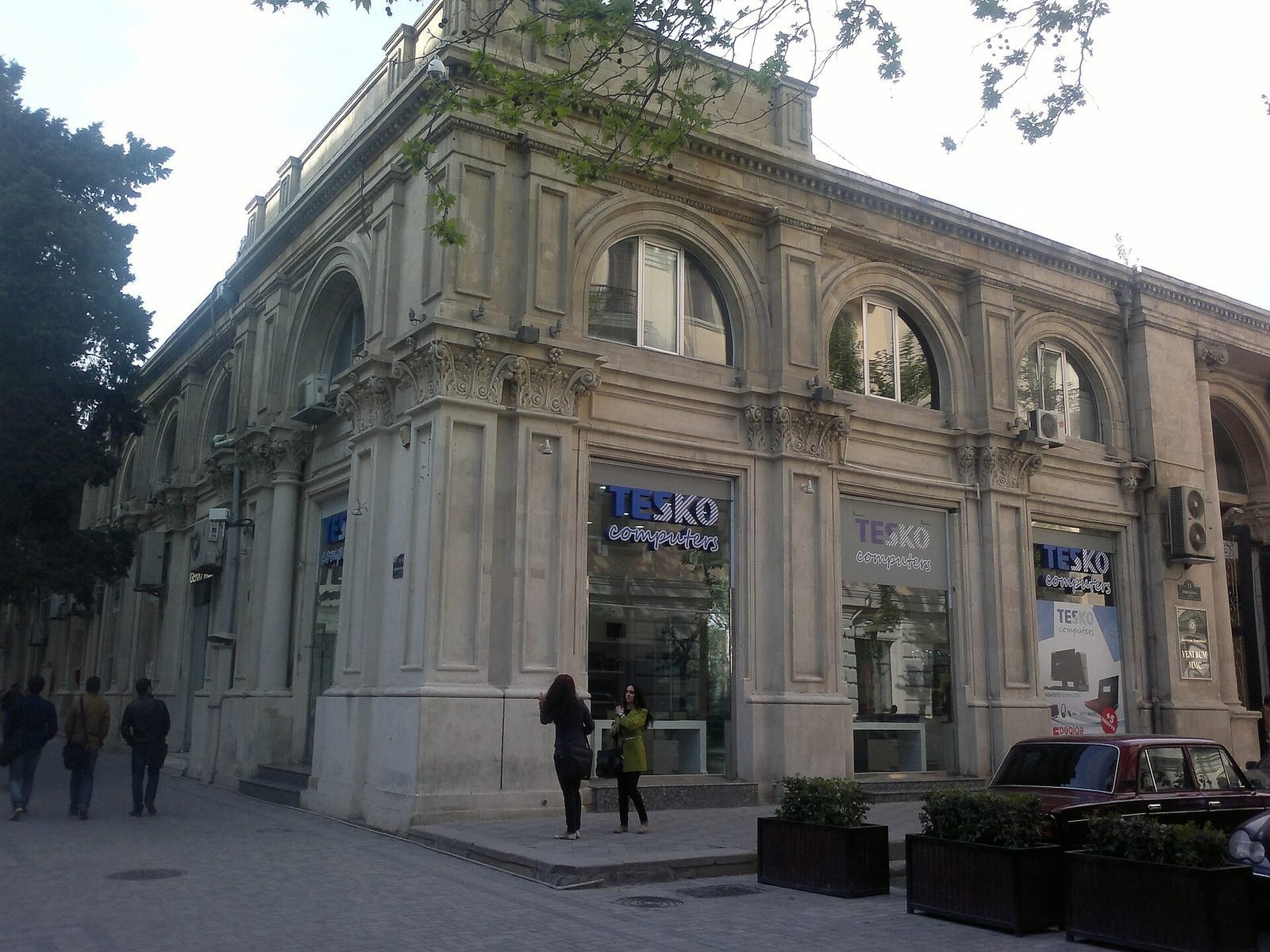
The Passage is one of the buildings of that era. It was raised as an elegant shopping arcade; the date 1896 on the pediment recalls a time when the city was being built up on an unprecedented scale.
Before the boom
Before its oil heyday Baku was a quiet seaside town with a fortress, bazaars and narrow lanes.
The oil boom
At the turn of the 19th–20th centuries oil brings enormous capital; the city grows and grows rich before one's eyes.
Merchants and patrons
Oil magnates and merchants invest in lavish buildings, making Baku elegant and modern.
A shopping gallery
The Passage is built as a fashionable shopping gallery with shops — modelled on the passages of Europe.
The date 1896
A date — 1896 — survives on the building's pediment, a witness to the building scale of that era.
A European face
The Passage became part of the “European” centre of Baku that grew up beyond the walls of the old fortress.
 Heritage
A witness to the era
Stone remembers the boom
The Passage is one of many monuments of “oil” Baku, alongside the mansions, banks and theatres of that era. Together they create the inimitable look of the historic centre.
Looking at its facades, it is easy to imagine the wealthy, bustling city of the early 20th century, living on oil and trade.